
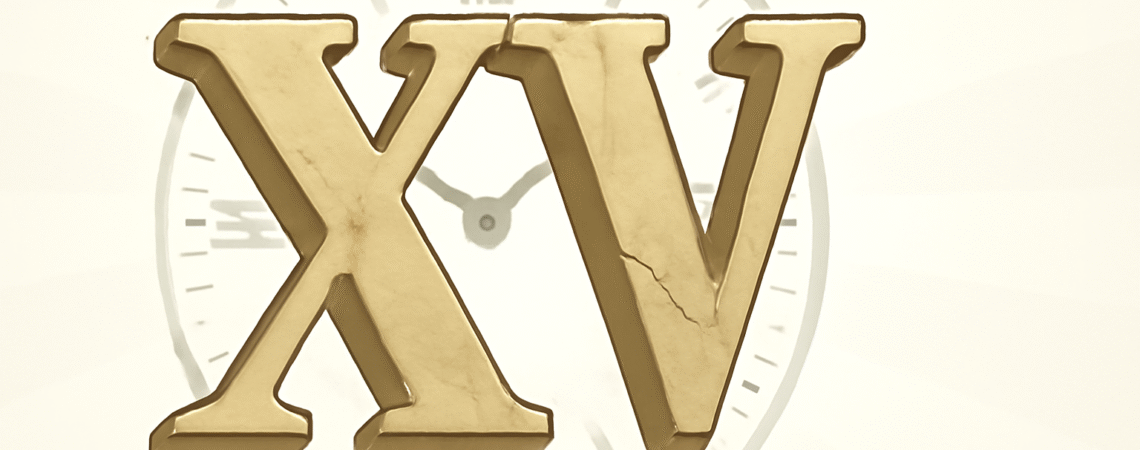
We encounter Roman numerals almost every day, from clock faces to movie credits. However, most people are only familiar with the basics, such as I, V, and X. Although these ancient symbols may seem outdated, they have endured for over 2,000 years. Let’s explore their origins, their significance today, and how you can use them effectively.
🏛️ A Quick History of Roman Numerals
Roman numerals began in ancient Rome, long before our modern number system was introduced. Instead of digits like 1, 2, 3, they used letters from the Latin alphabet:
- I = 1
- V = 5
- X = 10
- L = 50
- C = 100
- D = 500
- M = 1,000
This system worked well for trade, record-keeping, and even carving numbers into stone. Unlike today’s decimal system, there was no “zero,” which shows Roman math’s differences.
⏰ Where We See Them Today
Even though we no longer use Roman numerals in everyday math, they’re still everywhere:
- Clocks and Watches: Traditional designs often use Roman numerals on dials.
- Movies and Events: Look at film credits or the Super Bowl (Super Bowl LVIII = 58).
- Books and Outlines: Prefaces, introductions, and appendices often use Roman numerals.
- Monuments and Buildings: Cornerstones often display the year in Roman numerals.
They bring a touch of tradition, elegance, and formality wherever they appear.
📝 How to Convert Numbers Easily
Converting modern numbers into Roman numerals can get tricky beyond the basics. For example:
- 2025 = MMXXV
- 1984 = MCMLXXXIV
👉 Instead of memorizing rules, try our Roman Numerals Converter — it instantly translates numbers both ways.
🎯 Why They Still Matter
So, why should we care about Roman numerals in today’s digital world?
- They’re part of our cultural history.
- They’re still used in design, branding, and events.
- They help keep us connected to traditions that have lasted centuries.
Learning them is a fun brain exercise — a little puzzle that keeps your mind sharp.
🌍 Final Thoughts
Roman numerals may not run the world anymore, but they’re far from forgotten. Whether it’s the Super Bowl, a classic clock, or even a movie release year, these ancient numbers keep showing up in modern life.
👉 Next time you see them, you’ll know exactly what they mean. And if you’re unsure, our Roman Numerals Converter will always help.
For more on the history of number systems, check out Encyclopedia Britannica on Roman Numerals.